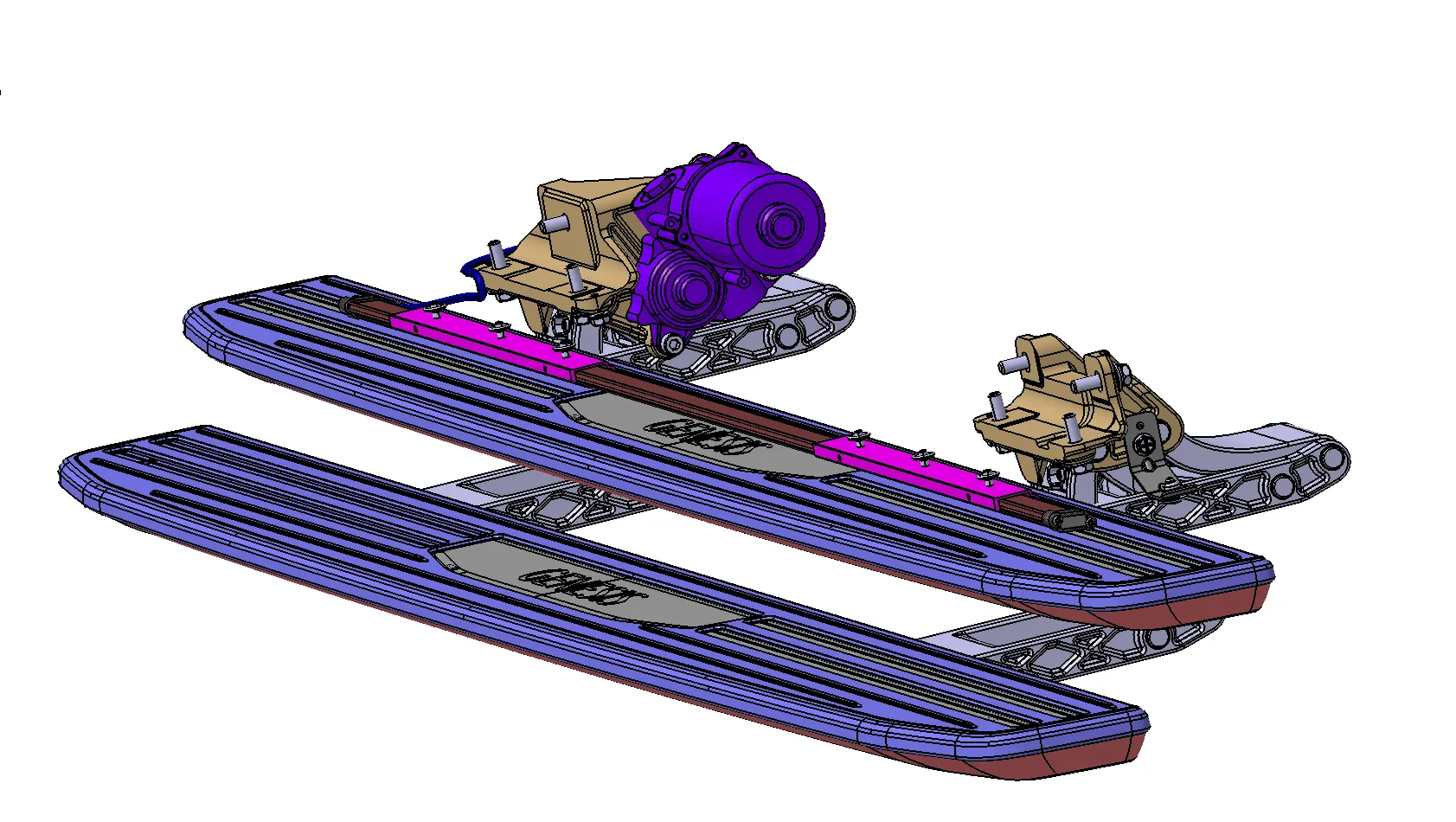
Integrated mobility package and vehicle systems engineering render

Seven divisions. One engineering outcome.

Specialized experts operate independently where depth matters and integrally where the product demands a complete development system.

Inspect capabilities

Design, CAE, and test as one simulation-based development loop.

Structural review, benchmarking, 3D modeling, drawing, virtual optimization, test evaluation, and data processing support early decisions and physical validation.

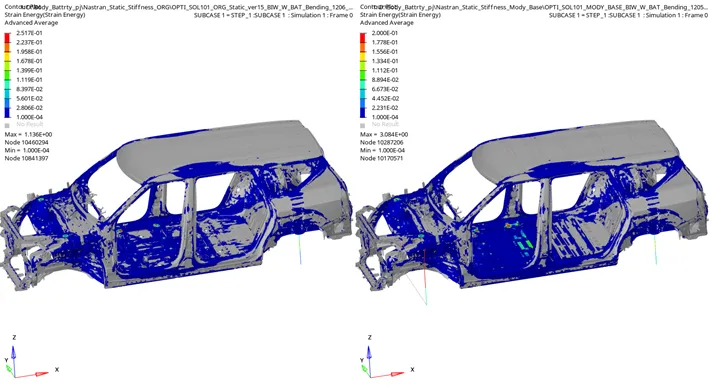
Vehicle body CAE analysis model showing structural load response
DE.01Vehicle structure and part optimization
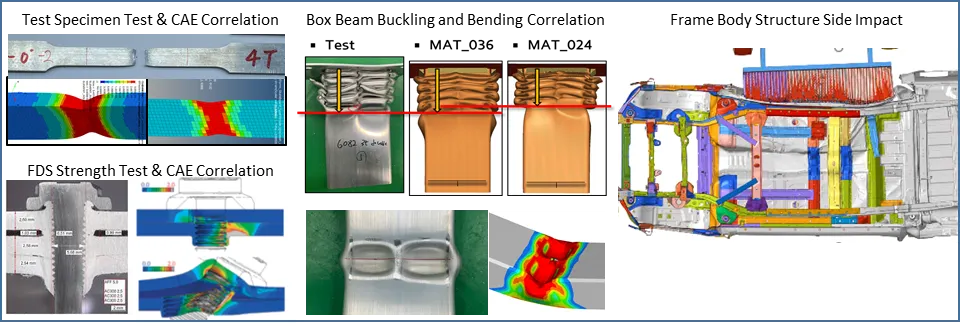
Crash test data and CAE correlation montage
DE.02Crash test evaluation and data analysis

Scope

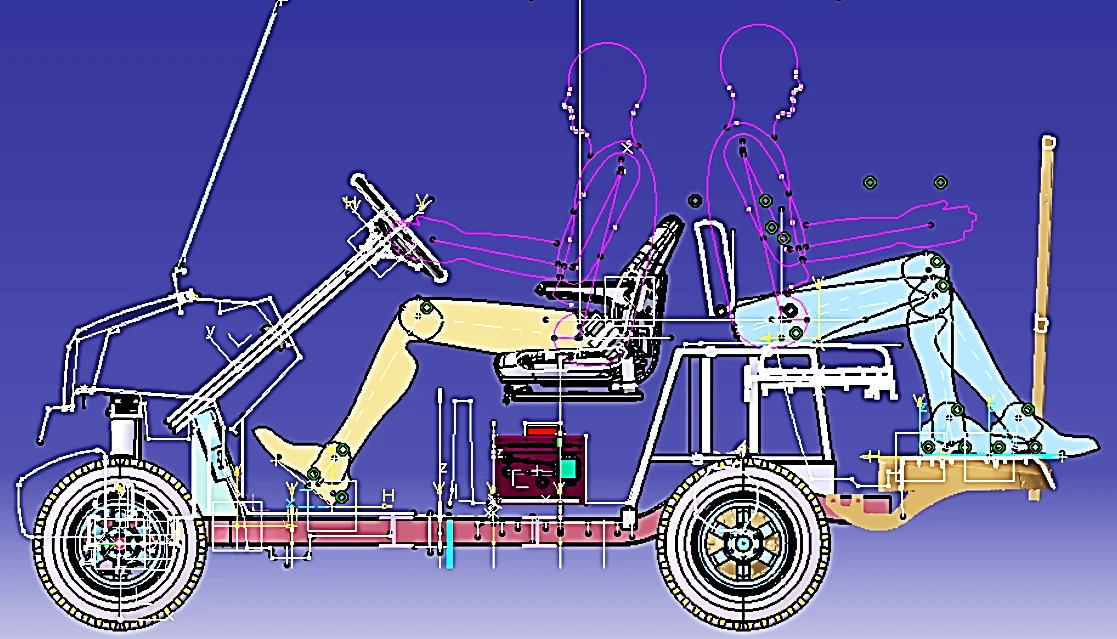
  • Human, platform, and system architecture
  • Crash, safety, NVH, durability, and strength
  • Simulation-based virtual product development
  • HVAC control logic and test integration

Control, connectivity, and validation across the electronic architecture.

EPIC connects embedded architecture, quality processes, control development, autonomous testing, IoT, and engineering data.

Vehicle electronic and software system architecture diagram
ES / Fig. 02Vehicle E/E and software architecture

02 / Embedded Systems

Architecture through optimization.

Domain engineering, ICE controller verification, vehicle E/E and software architecture, quality-process innovation, rapid prototyping, testing, and optimization.
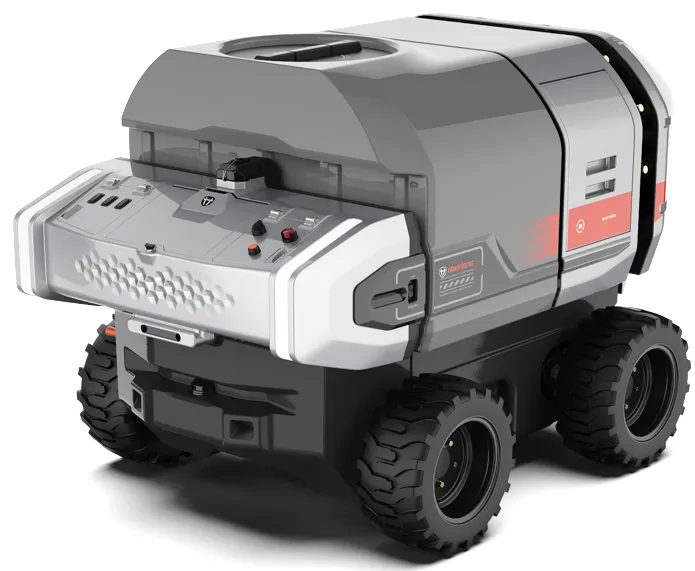
Autonomous transport robot for tracking and perception validation
DM / Fig. 03Autonomous driving test and validation

03 / Data Management

Engineering data made usable.

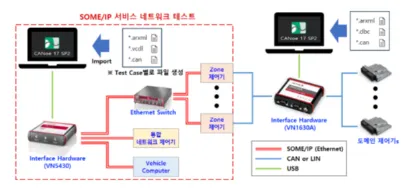
Electronic control data management and analysis, design and simulation, functional and performance tests, communication-network validation, IoT, and connectivity.

04 / PT & e-PT

Power systems, emissions, efficiency, and validation.

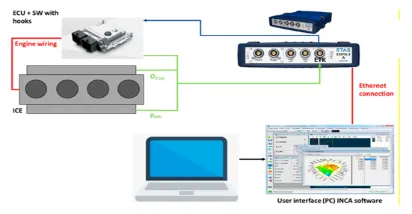
Gasoline and diesel engine modification, emissions and environmental testing, EMS development, reliability verification, BEV range and energy-consumption testing, and control-unit V&V.
  • ICE vehicle emissions and environmental testing
  • EMS development and control-strategy optimization
  • BEV energy efficiency and ECU validation
Power system development and control evaluation diagram
PT / Fig. 04Power system engineering
Fuel-cell and environmental control-system evaluation diagram
HE / Fig. 05System evaluation and analysis

05 / Hydrogen & Environment

Hydrogen mobility from components to systems.

FCEV MEA and GDL evaluation, degradation analysis, core-system trend analysis, BOP component improvement, FMEA consulting, and fuel-cell power-module conversion support.

  • MEA / GDL evaluation and analysis
  • Fuel-cell core-system component development
  • Green technology and environmental evaluation

The disciplines that make engineering executable.

Regulatory strategy and program management connect technical development to compliant, controlled delivery.

06

Regulation & Certification

Domestic / International

Automotive safety and environmental certification services, documentation, self-certification support, and new-regulation trend analysis across Korea, the United States, Europe, and China.
07

Product Planning / Project Management

Concept / Process / QCD

Product planning and concept development, development-process establishment, operation support, Quality–Cost–Delivery management, target setting, goal management, and specification optimization.
+

Consulting / Training

Supporting service

Strategic consulting, organizational capability assessment, future-response strategies, curriculum development, and engineering education reinforce the seven technical divisions.

Next program / EPIC

Connect the disciplines your program needs.

Engage one specialist division or assemble an integrated turnkey path across the complete mobility development lifecycle.

Contact EPIC